Common Name: Astilbe
FEATURES
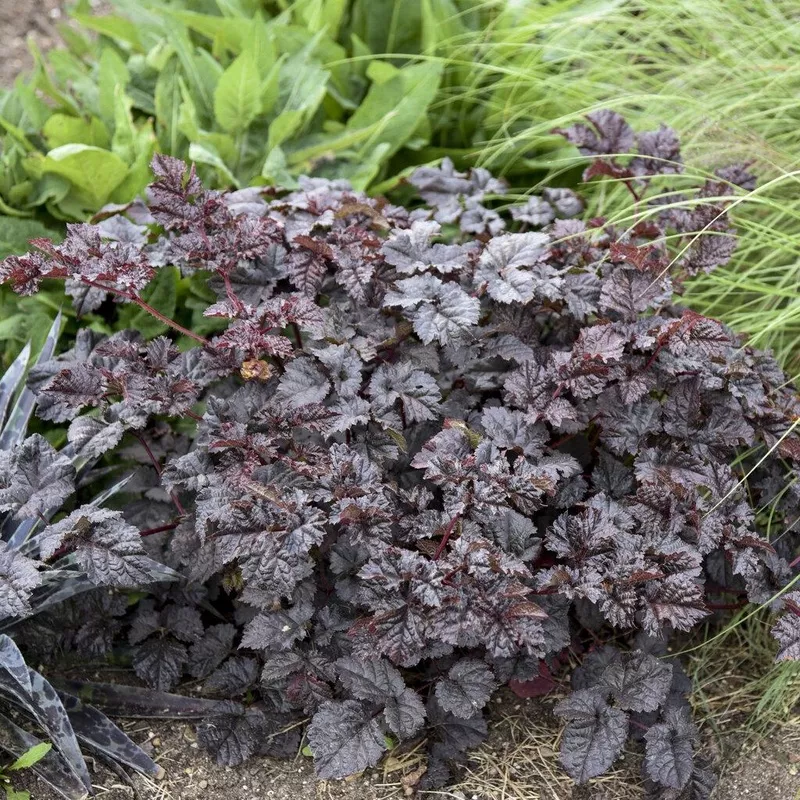
Rich deep chocolate brown leaves. New leaves are yellow with a dark margin turning completely dark as they age. Raspberry buds open to rosy purple flowers.
Award WinnerFoliage InterestAttracts:BeesResists:DeerRabbits
CHARACTERISTICS
Plant Type:PerennialHeight Category:MediumGarden Height:20 – 22 InchesSpacing:24 – 28 InchesSpread:24 – 28 InchesFlower Colors:PurpleFlower Shade:Rosy purpleFoliage Colors:BlackFoliage Shade:BlackHabit:UprightContainer Role:Filler
PLANT NEEDS
Light Requirement:Sun or Shade
The optimum amount of sun or shade each plant needs to thrive: Full Sun (6+ hours), Part Sun (4-6 hours), Full Shade (up to 4 hours).
Maintenance Category:EasyBloom Time:Mid SummerLate SummerHardiness Zones:4a,4b,5a,5b,6a,6b,7a,7b,8a,8b,9a,9bWater Category:ConsistentSoil Fertility Requirement:Average SoilFertile SoilSoil PH Category:Acidic SoilNeutral SoilUses:Border PlantContainerCut FlowerDried FlowerMass PlantingMaintenance Notes:
Astilbes are long-lived perennials that are most comfortable when grown in rich soil and light shade to filtered sun. They will grow in full shade, but will not bloom as prolifically there.
Though they are easy to grow, Astilbes have one critical requirement–lots of water. Plants must have consistently moist soil; dryness leads to a quick demise, especially in sun. Increase watering as the foliage emerges and the plumes mature. If the soil dries out, the leaves will develop brown, crispy margins and will begin to drop.
Fertilize Astilbes in late spring before flowering starts. Wait to cut back the old foliage until spring; it will help protect the plant from winter damage. In the spring, if the crown has risen above soil level, gently press it back into the ground and apply some organic matter around the plant.
‘Dark Side of the Moon’AstilbehybridUSPP 35,461,Can PBRAF