Southern Crabapple (Malus angustifolia)
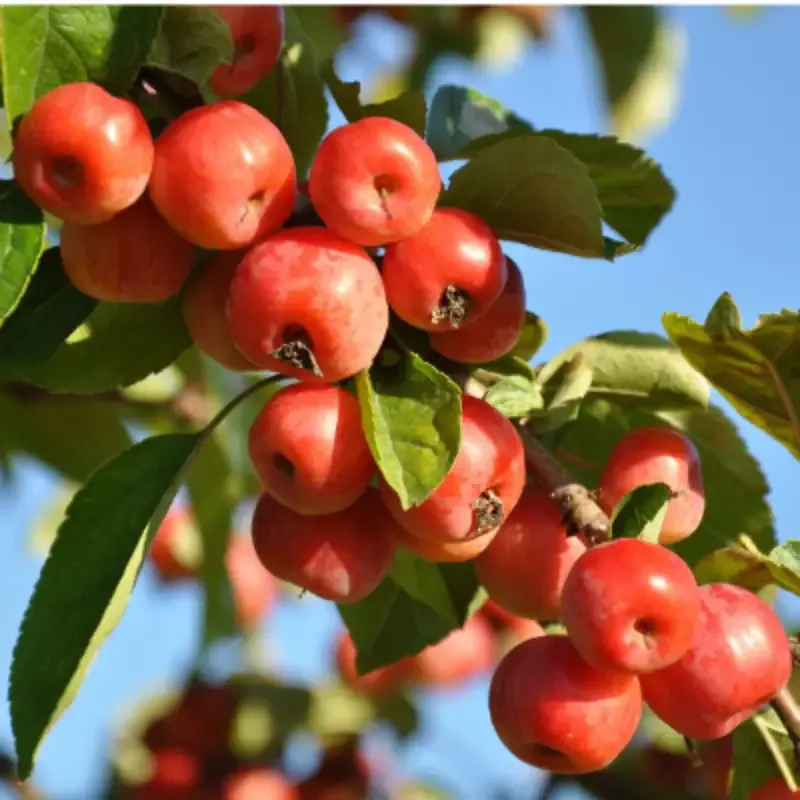
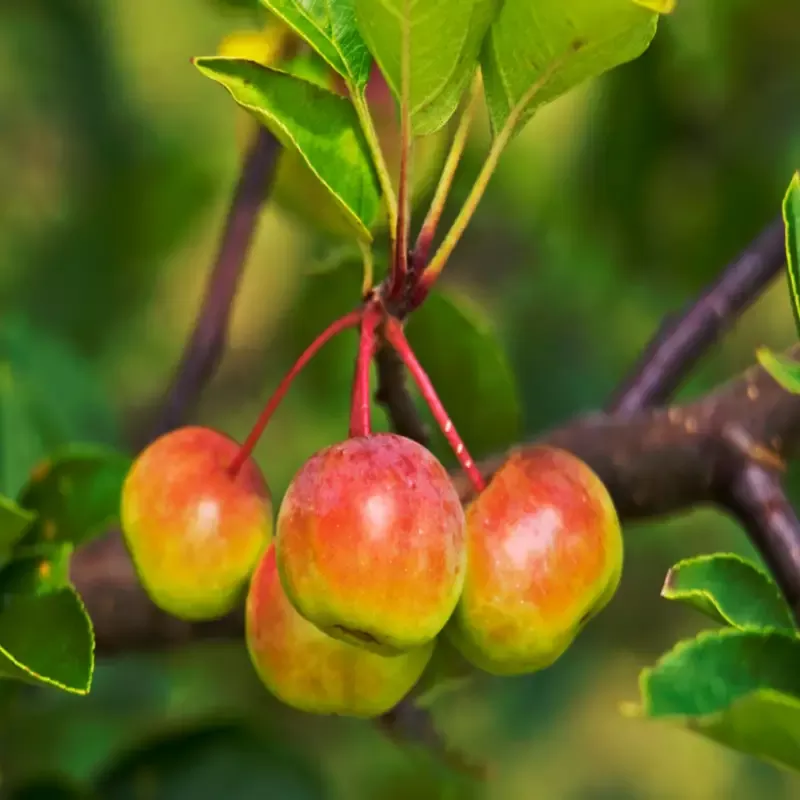
Southern Crabapple is a delightful native tree prized for its fragrant white to pink-tinged spring flowers and abundant small fruits that appear in late summer and persist into fall. Its compact, rounded form is perfect for naturalistic plantings, cottage gardens, and wildlife-friendly landscapes.
The fruit is a favorite of birds and small mammals, and the spring blossoms attract pollinators. Southern Crabapple is valued for its adaptability to a range of soils and its low-maintenance nature, making it a great choice for homeowners and restoration plantings alike.
- � Fragrant white to pink-tinged spring blossoms
- � Small, bright fruits in late summer–fall that feed wildlife
- � Attracts bees, butterflies, and birds
- � Adaptable to a variety of soils; low-maintenance
- � Mature Size: 12–20 ft. tall, 10–18 ft. wide
- � Ideal for native plantings, yards, and wildlife gardens
Note: Best planted in full sun for abundant flowering and fruiting; tolerates moderate drought once established.
Growing Zones: 6–9 outdoors
| Mature Height: | 12–20 ft. |
| Sunlight: | Full Sun to Partial Shade |
| Mature Width: | 10–18 ft. |
| Botanical Name: | Malus angustifolia |
| Growth Rate: | Moderate |
| Flower Color: | White to Pink-Tinged |
| Fruit Color: | Yellow to Red (small crabapples) |
| Type: | Native Flowering Tree / Fruit Tree |
FAQ’s
Are Southern Crabapple fruits edible
The small fruits are technically edible but tart—commonly used by wildlife or made into jellies and preserves.
When does it bloom and fruit
Blooms in spring (fragrant flowers); fruits develop in late summer and often persist into fall.
Is it good for wildlife gardens
Yes—flowers feed pollinators and the fruits attract birds and small mammals.
What soil and light does it prefer
Best in full sun for more flowers and fruit, but tolerates partial shade and a range of soil types if well-drained.
Does Southern Crabapple need much care
No—it’s generally low-maintenance. Occasional pruning to shape and remove dead wood is beneficial; watch for common apple diseases in some regions.
| Size |
3 Gallon, 5 Gallon, 7 Gallon, 10 Gallon, 15 Gallon |
|---|---|
| Type |
Potted |
| Multipack |
Single, Set of 2 Plants |